---
title: What Does Ash Wednesday Represent?
description: Learn about the significance, biblical roots, and history of Ash Wednesday and how it calls Christians to a season of reflection and renewal during Lent.
image: https://stories.svdmissions.org/hubfs/AdobeStock_20213229.jpeg
---
# [The Mission Post](https://stories.svdmissions.org/the-mission-post)
## Telling the human story of our mission work.
[Subscribe](https://stories.svdmissions.org/the-mission-post/what-does-ash-wednesday-represent#page-banner-form)
[×](https://stories.svdmissions.org/the-mission-post/what-does-ash-wednesday-represent#)
×
## Our missionaries are transforming education in Mozambique! Learn more about our Student Housing Project and see how you can get involved.
[](https://cta-redirect.hubspot.com/cta/redirect/4469341/721c2771-85b3-4463-a43e-e3dd3602df35)
# What Does Ash Wednesday Represent?
By **[Divine Word Missionaries](https://stories.svdmissions.org/the-mission-post/author/divine-word-missionaries)** on **January 21, 2026**
- [Tweet](https://twitter.com/share)
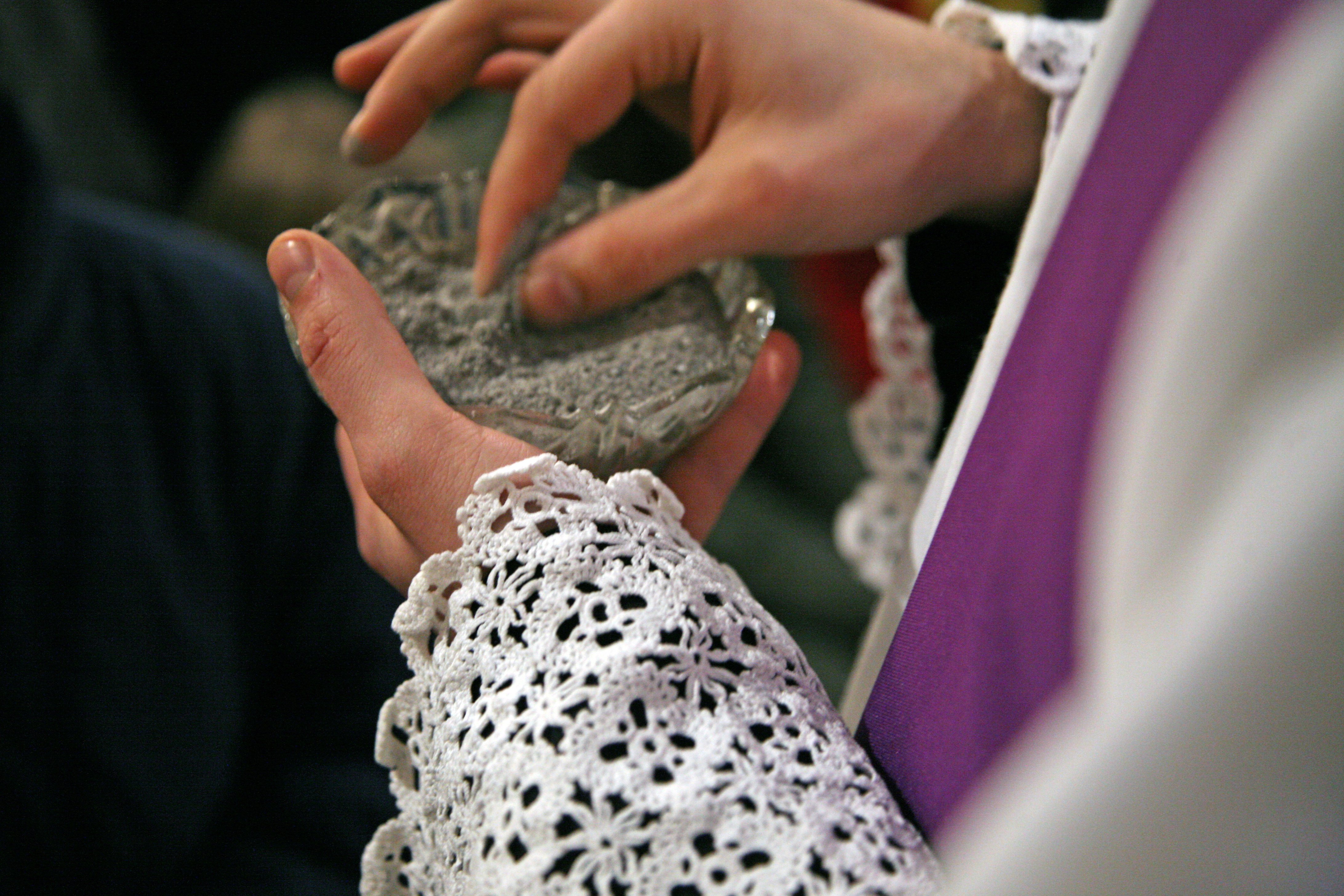
Each year, Christians around the world gather to mark the beginning of Lent with bowed heads, receiving ashes traced in the shape of a cross on their foreheads. An outward sign of repentance and humility, the distribution of ashes on Ash Wednesday remains one of the most widely observed traditions of Catholics and Christians today.
Ash Wednesday marks the beginning of Lent, calling all believers to a 40-day period of reflection, repentance, and preparation for Jesus’ Passion and Resurrection. Understanding the rich tradition of Ash Wednesday, why it’s celebrated and the reasons behind its observances can help us enter Lent more intentionally, positioning ourselves well for a season designed for us to draw nearer to God.
| ### **In this blog:** - [Defining Ash Wednesday](https://stories.svdmissions.org/the-mission-post/what-does-ash-wednesday-represent#what-is-ash-wed) - [The history of Ash Wednesday](https://stories.svdmissions.org/the-mission-post/what-does-ash-wednesday-represent#history-of-ash-wed) - [Ash Wednesday’s biblical roots](https://stories.svdmissions.org/the-mission-post/what-does-ash-wednesday-represent#ash-wed-in-bible) - [Common questions about Ash Wednesday ](https://stories.svdmissions.org/the-mission-post/what-does-ash-wednesday-represent#ash-wed-faq) - [How to begin Lent with purpose and prayer](https://stories.svdmissions.org/the-mission-post/what-does-ash-wednesday-represent#lent-this-year) |
| --- |
## What Is Ash Wednesday?
Ash Wednesday is the first day of Lent, the Catholic Church’s 40-day season of [prayer](https://stories.svdmissions.org/the-mission-post/the-three-pillars-of-lent-prayer), [fasting](https://stories.svdmissions.org/the-mission-post/the-three-pillars-of-lent-fasting) and [almsgiving](https://missionimpact.svdmissions.org/what-is-almsgiving) in preparation for Easter. Lent begins on Ash Wednesday and concludes at the Mass of the Lord’s Supper on Holy Thursday.
On Ash Wednesday, Catholics and Christians receive blessed ashes on their foreheads, typically in the shape of a cross. This visible sign reminds us of our need for God’s mercy, a sign of repentance and God’s promise to make us new again.
[Sign up to receive free weekly Lenten devotionals, crafted by Divine Word Missionaries serving in the field.](https://missionimpact.svdmissions.org/lenten-refelections)* *

## The History of Ash Wednesday
The roots of Lent and its observance date back to the Council of Nicaea. In 325 AD, [the council decided upon Lent as a 40-day period](https://www.museumofthebible.org/magazine/featured/the-biblical-foundations-of-lent-and-ash-wednesday). This decision reflects the Scriptures, when Christ entered a period of prayer and fasting before the start of his ministry.
In 601 AD, Pope Gregory set the start of Lent 46 days before Easter. He is also believed to have begun the practice of signing ashes on parishioners’ foreheads as an outward sign of repentance, instituting the now-common tradition on Ash Wednesday.
## Ash Wednesday in the Bible
Ash Wednesday’s meaning is deeply rooted in biblical tradition. In Genesis, God reminds man, *“*You are dust, and to dust you shall return” (Genesis 3:19). This verse highlights both our mortality and our reliance on God for life itself.
Throughout the Old Testament, ashes symbolize repentance and humility. The prophets repeatedly call God’s people to return to him with sincere hearts, a theme echoed throughout the Lenten season.
- **In the Book of Job**, after suffering immense affliction, Job sat in ashes as a sign of repentance. (Job 2:8)
- **In the Book of Daniel**, the prophet mentions praying and confessing his sins with ashes and sackcloth. (Daniel 9:3)
- **In the Book of Jonah**, the king of Nineveh wore sackcloth and sat in ashes as a sign of repentance for sin. (Jonah 3:6)
In the Gospel proclaimed on Ash Wednesday, Jesus teaches about prayer, fasting and almsgiving (Matthew 6:1-18). He emphasizes that these practices should proceed from an authentic desire for conversion, not merely outward recognition. All practices on Ash Wednesday draw from the richness of Scripture, encapsulating themes in the Old and New Testament.
[Discover more about what almsgiving is and why Christ calls us to it during Lent. ](https://missionimpact.svdmissions.org/what-is-almsgiving)
## What Is the Significance of Ash Wednesday?
Ash Wednesday holds deep significance for Christians and Catholics as it sets the tone for the entire Lenten season.
- **First, it reminds us of our mortality. **The ashes are a visible acknowledgment that life on earth is temporary and that we are ultimately dependent on God.
- **Second, Ash Wednesday calls us to repentance**. It invites us to examine our lives honestly and to seek God’s mercy with humility.
- **Ash Wednesday marks a beginning.** Lent is not about punishment, but preparation—creating space for God to work in our hearts through prayer, fasting and almsgiving.
## Frequently Asked Questions About Ash Wednesday
Why is Ash Wednesday celebrated?
Ash Wednesday marks the beginning of Lent and calls Christians to prayer, fasting and almsgiving in preparation for Easter.
Why do you get ashes on Ash Wednesday?
Ashes symbolize humility, an outward sign that signifies one’s desire to turn away from sin and return to God.
Where do the ashes come from for Ash Wednesday?
The ashes are typically made by burning the blessed palm branches from the previous year’s [Palm Sunday](https://stories.svdmissions.org/the-mission-post/what-is-holy-week-and-how-can-i-make-the-most-of-it).
What does the priest say on Ash Wednesday?
At the distribution of ashes, the priest or deacon says either, “Remember that you are dust, and to dust you shall return,” or, “Repent, and believe in the Gospel.” Both are direct quotes from scripture, underscoring our need for repentance and for God himself.
Is Ash Wednesday a holy day of obligation?
No. Ash Wednesday is not a holy day of obligation, but Catholics are encouraged to attend Mass or receive ashes on this day.
How do you fast for Ash Wednesday?
Catholics aged 18 to 59 are [required to fast](https://www.usccb.org/prayer-and-worship/liturgical-year-and-calendar/lent/catholic-information-on-lenten-fast-and-abstinence), meaning one full meal and two smaller meals that together do not equal a full meal.
Can you eat meat on Ash Wednesday?
Ash Wednesday is a day of abstinence from meat for Catholics aged 14 and older.
Does Lent start on Ash Wednesday?
Lent begins on Ash Wednesday and continues through the evening of Holy Thursday. The season spans 40 days of penance, reflecting Jesus’ 40 days in the desert.
When Is Ash Wednesday 2026?
In 2026, **Ash Wednesday will be observed on Feb. 18**. Because the date of Easter changes each year, Ash Wednesday shifts accordingly, marking the beginning of Lent in the liturgical calendar.
## Experience Lent in a New Way in 2026
Ash Wednesday invites us to begin again in Christ, recognizing our need for mercy and reorienting ourselves toward him. Through prayer, fasting and almsgiving, this season helps us grow closer to Christ and more attentive to the needs of others.
As you reflect on the meaning of Ash Wednesday, consider joining Divine Word Missionaries this Lent in prayer by participating in the 2026 Lenten devotionals. [Sign up to receive a free weekly reflection](https://missionimpact.svdmissions.org/lenten-refelections) of each week’s Gospel, accompanied by a thoughtful reflection written by missionaries serving in the field.
This Lent, let Ash Wednesday be more than a ritual; let it be the start of meaningful spiritual renewal.
[ ](https://stories.svdmissions.org/hs/cta/wi/redirect?encryptedPayload=AVxigLKV4rFPXDAoJd3IirQ08jw05Ab1O9Qk6J%2BJwPSYR0sIwjZrw3GRIThMhSj03BN%2BvecOcxSpseaLd9FwhTw2z7mj%2BcFueBQGEDCNfXndGWlSJzuuV8lQXZ%2FXV%2BqBN5VtMKC3RQm1oFrQj4685geQpzQHUBts0EZwSI7d07Q7ARx63wsZdq7cmVnqX9XhJkO50rik09H%2BrcX0DReMVg%3D%3D&webInteractiveContentId=205156842049&portalId=4469341)
 [SUBSCRIBE](https://stories.svdmissions.org/the-mission-post/what-does-ash-wednesday-represent#page-banner-form)
#### MORE **STORIES**
## Read more about our missionaries and how they serve.
## [What Is Catholic Missionary Work? How Divine ...](https://stories.svdmissions.org/the-mission-post/what-is-catholic-missionary-work-how-divine-word-missionaries-serve)
## [The Three Pillars of Lent: The Power of ...](https://stories.svdmissions.org/the-mission-post/the-three-pillars-of-lent-prayer)
## [What Does Ash Wednesday Represent?](https://stories.svdmissions.org/the-mission-post/what-does-ash-wednesday-represent)
[](https://cta-redirect.hubspot.com/cta/redirect/4469341/80b647f6-6572-426c-8842-2aa15450087e)
# HELP US **SERVE**
## Make an impact on people and communities around the world.
[
Pray with our missionaries. This is a very powerful way of helping.
PRAY
](https://www.svdmissions.org/pray)
[
Support the work of our missionaries and change the lives of those in need.
GIVE
](https://www.svdmissions.org/give)
[
Spread the word about Divine Word Missionaries’ work among your family and friends.
CONNECT
](https://www.svdmissions.org/connect)
 
## Divine Word Missionaries. In Action.
Menu
- [Mission](https://www.svdmissions.org/areas-of-mission)
- [Impact](https://www.svdmissions.org/impact)
- [Stories](https://stories.svdmissions.org/the-mission-post)

[](https://cta-redirect.hubspot.com/cta/redirect/4469341/1789c9cd-1e3a-40df-8040-bb0f58f6ffa5)
Mailing Address:
P.O. Box 6099
Techny, Illinois
60082-6099
Street Address:
1835 Waukegan Road
Techny, Illinois
60082-6099
We'd love to hear from
you. Call us toll-free at:
800-275-0626
[](https://cta-redirect.hubspot.com/cta/redirect/4469341/1789c9cd-1e3a-40df-8040-bb0f58f6ffa5)
- [**](https://www.facebook.com/DivineWordMissionaries/)
-
- [**](https://www.instagram.com/divinewordmissionaries/)
- [**](https://www.youtube.com/user/SVDMissions)

© 2026 Divine Word Missionaries
```json
{
"@context" : "https://schema.org",
"@type" : "BlogPosting",
"author" : {
"@type" : "Person",
"name" : "Divine Word Missionaries",
"url" : "https://stories.svdmissions.org/the-mission-post/author/divine-word-missionaries"
},
"dateModified" : "2026-01-21T15:00:01.472Z",
"datePublished" : "2026-01-21T15:00:01.000Z",
"headline" : "What Does Ash Wednesday Represent?",
"image" : [ "https://stories.svdmissions.org/hubfs/AdobeStock_20213229.jpeg" ],
"mainEntityOfPage" : {
"@id" : "https://stories.svdmissions.org/the-mission-post/what-does-ash-wednesday-represent",
"@type" : "WebPage"
},
"publisher" : {
"@type" : "Organization",
"logo" : {
"@type" : "ImageObject",
"url" : "https://stories.svdmissions.org/hubfs/images/m-pact-wide-logo.png"
},
"name" : "Divine Word Missionaries"
}
}
```